14/12/2010 (Star Advertiser) - Hawaiian Electric Co. has announced plans to build a facility to convert palm oil into biodiesel. The biodiesel will contribute badly needed and affordable fuel for the utility to provide electricity to Hawaii's people. The biodiesel will help offset Hawaii's dependence on other imported energy sources. Hawaii's Public Utilities Commission has approved the plan, including specific sustainability commitments.
And yet, radical environmental groups have spearheaded a campaign to prevent the development. They worry about the impact of palm oil production on rainforests in the developing world. The critics are wrong; the project will benefit Hawaii residents and men and women in developing countries, as well as the global environment.
Palm oil comes from regions of the world now facing extreme poverty. The people need to raise their living standards. In these regions, much of the population lives on just a few dollars a day. These nations desperately need to develop industries that can trade in global markets and provide living wages to their people.
The economic development process is historically jump-started by agriculture projects. Palm oil production can lift the world's most destitute out of abject poverty. Residents will have the resources to pursue productive activities and rewarding life-style enhancements. This includes things many of us in the U.S. take for granted, such as clean homes and access to education. Consumers of palm oil play a key role in helping this process unfold.
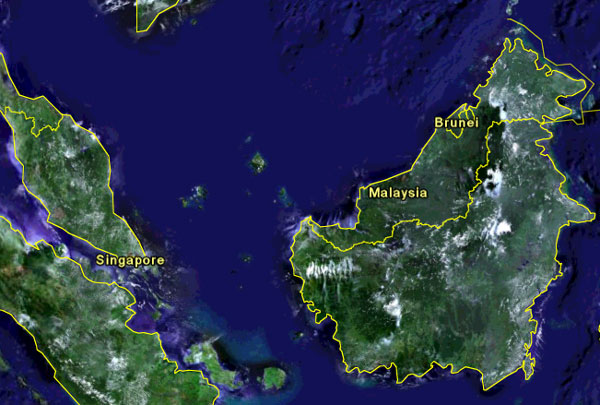
But what of allegations that palm oil harms the environment? The palm oil will come to Hawaii primarily from Malaysia, already a global leader in environmental health. Malaysia has committed to conserving 50 percent of its forests, far exceeding the 10 percent average that must be met according to United Nations agreements.
Contrary to claims from the German environmental group leading the campaign against the HECO plan, palm oil is the most sustainable biofuel on the planet. More fuel can be produced on a smaller footprint from the oil palm than alternative biofuels such as corn-based ethanol or German rapeseed oil.
 Palm oil is a perennial crop that can be converted to biodiesel, while other vegetable crops like soya that can create biodiesel are annual. Palm oil requires less tillage, resulting in much fewer greenhouse gases released into the atmosphere. It also requires considerably fewer energy inputs to grow and maintain.
In a recent statement, HECO correctly stated "biofuels are a part of Hawaii's clean energy future. Biofuels allow us to switch from 'black' to 'green' fuel in our existing generators, reducing dependence on and vulnerability to imported oil."
Of all possible biofuels, palm oil is king for its affordability, efficiency and eco-friendliness. Denying the HECO agreement would hamper wider adoption of sustainable practices worldwide.
The critics of palm oil want Hawaii to adopt domestic sources, such as jatropha. But jatropha is a limited-use commodity. Economies of scale that can drive down costs are impossible to achieve.
Further, Hawaii simply does not have adequate renewable resources in the form of wind, solar and geothermal to power its economy in a cost-effective manner. HECO provides electricity to 95 percent of residents and needs reliable and inexpensive energy sources such as palm oil to satisfy customer needs.
Hawaii's economy is built on trade and openness to the wider world. It has a golden opportunity to help some of the world's poorest citizens rise up from inhuman poverty while reducing its own dependence on fossil energy and sending a clear signal that sustainability is good economics and citizenship. What is wrong with that?
Environmental Health
24/11/2010 (Biofuels Digest) - In Hawaii, controversy is brewing over the Hawaiian Electric Co. (HECO) and subsidiary Maui Electric Co.’s plans to import Malaysian palm oil to produce biodiesel for the state. Since the project was first announced in 2007, it has been met with opposition from environmental groups concerned about the lack of sustainability of the palm oil.
HECO has now formed Hawaii Biofuel Foundation to present the Roundtable on Sustainable Biofuels’ standards to the state, a move which has also angered local environmental activists.
Controversy Swirls Over Use Of Malaysian Palm Oil Biodiesel In Hawaii
In early 2007, Hawaiian Electric Co. and subsidiary Maui Electric Co. announced plans by BlueEarth Biofuels to construct a mega-sized palm oil refinery on Maui, which would have been the largest in the world. Since that time, several respected Hawaii environmental and cultural groups have raised a red flag against the idea of importing Malaysian palm oil to Hawaii.
Sierra Club-Maui, Maui Tomorrow Foundation and several Oahu organizations stated that merely replacing one imported fuel with another does nothing for our energy security, local economy or sustainability. In fact, the cultivation of palm oil results in wide-ranging impacts of devastation to rain forest habitats through slash-and-burn clearing, which releases more carbon into the atmosphere than any reductions in HECO's or MECO's smokestack emissions.
Undaunted by criticism that palm oil imported from Southeast Asia can never be sustainable, HECO forged an alliance with the Natural Resources Defense Council and concocted sustainability standards for imported biofuels. The idea was soundly criticized during a round of community meetings held on three islands and at Public Utility Commission hearings.
Despite turning down a biodiesel importation docket in 2008-09, the PUC last June approved HECO's request to import 2.5 million gallons of palm oil from Southeast Asia for testing on Oahu and at MECO's Maalaea power plant.
Tests are not needed. MECO already knows that biodiesel is cleaner burning, since it has contracted with Pacific Biodiesel for years to provide locally recycled vegetable oil biodiesel for generator startups to meet Environmental Protection Agency and Department of Health emissions standards.
HECO claims that palm oil represents a bridge to the future, hoping that agricultural entrepreneurs might begin producing oil crops locally for conversion to biodiesel. But, that same reasoning was used in 2006 when Hawaii mandated 10 percent ethanol in our gasoline. To date, no one has produced ethanol commercially in Hawaii. We import all our ethanol from the Mainland – where it is federally subsidized – and from Brazil.
The bridge to the future referred to by HECO's spokesman would be a grim future indeed for diminishing rain forests, endangered orangutans and hundreds of other mammals, plants, insects, as cited in a November 2008 National Geographic cover story.
It may take years for any oil crops planted in Hawaii today to mature and produce. Furthermore, the 2006 “Biodiesel Crop Implementation In Hawaii” report indicates that even if all the available agricultural acreage in Hawaii were planted to fuel crops, it wouldn't come close to fulfilling our energy needs. It makes far more sense to utilize any locally produced biodiesel for transportation fuel and to move away from burning imported fuels for electricity. Wind, solar and wave energy are viable alternatives.
Yet, we now have learned that HECO has formed a nonprofit advocacy group, Hawaii Biofuel Foundation, which will conduct statewide meetings in December to present the Roundtable for Sustainable Biofuels Standard for Hawaii. It has the appearance of another exercise to allow HECO and MECO to continue foot-dragging and obstruction of efforts to integrate more local renewables and to promote proved energy conservation and efficiency efforts.
Hawaii environmental groups are partnering with the international organization Rainforest-Rescue.org to spread the news of HECO's ill-conceived palm oil importation plan across the globe. More than 17,000 people have added their names to protest the action. Their concerns will be conveyed to HECO, MECO, Hawaii's elected leaders, the PUC and NRDC.
Will you add your voice to speak for a better Hawaii energy future to reduce our foreign dependency, to keep our energy dollars here at home and to provide well-paying energy jobs in Hawaii?
- Rob Parsons is the conservation chairman for Sierra Club-Maui, vice president of Maui Tomorrow Foundation and has served on the Greenhouse Gas and Carbon Emissions Working Group of the Maui County Energy Alliance. Lance Holter is chairman of Sierra Club-Maui and a Maui Tomorrow board member.


 Palm oil is a perennial crop that can be converted to biodiesel, while other vegetable crops like soya that can create biodiesel are annual. Palm oil requires less tillage, resulting in much fewer greenhouse gases released into the atmosphere. It also requires considerably fewer energy inputs to grow and maintain.


